





10 Practical Ways to Start Slow Living
What is slow living?
If you’ve been craving a life that feels more present, more peaceful, and more purposeful, slow living might be the answer your soul is longing for. In this post, we’ll explore 10 simple and practical ways to start slow living—starting right where you are, with what you have—so you can create space for what truly matters.
HOW TO GET STARTED

1. Start Your Mornings Without a Screen
Swap the scroll for something more soul-filling—quiet, Scripture, coffee, journaling, or gentle stretching.
Starting your morning with intention sets the tone for a calmer, more grounded day.
Breaking the habit of waking up to your phone can be hard—I know because I did it after years of reaching for my screen first thing. But once I made the shift, it transformed the way my entire day felt.
If you’re struggling to make this change, start by choosing something you actually look forward to. Don’t force yourself into a morning workout if it makes you dread getting out of bed. Instead, savor a quiet cup of coffee, snuggle with your spouse, or flip through a book or magazine you love.
Once you’ve said goodbye to screens in the morning, you’ll find space to gradually add in more life-giving rhythms. Trust me—your mindset, mood, and motivation will thank you.
2. Simplify Your Schedule
“Corrie ten Boom once said that if the devil can’t make you sin, he’ll make you busy. There’s truth in that. Both sin and busyness have the exact same effect—they cut off your connection to God, to other people, and even to your own soul.”
― John Mark Comer,
Simplify your schedule and choose margin over madness. In a world that praises hustle and packed calendars, it’s okay—wise, even—to say no to good things in order to make room for the best things. Creating space for rest, unhurried family time, or spontaneous play can breathe life back into your days and help you focus on what truly matters.
3. Declutter One Area at a Time
This one is a game-changer. Most of the practices on this list will be difficult to sustain if your physical space feels chaotic. Clutter acts like a constant, silent to-do list—always demanding your attention and energy. If you’re craving inspiration or considering a more minimalist lifestyle,
I highly recommend checking out some of my favorite books on the topic below.
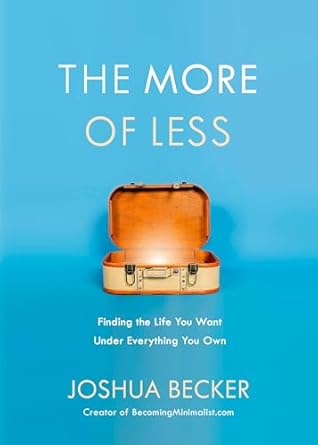
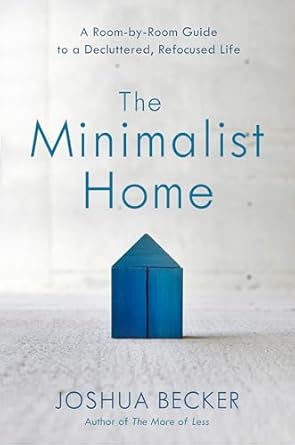
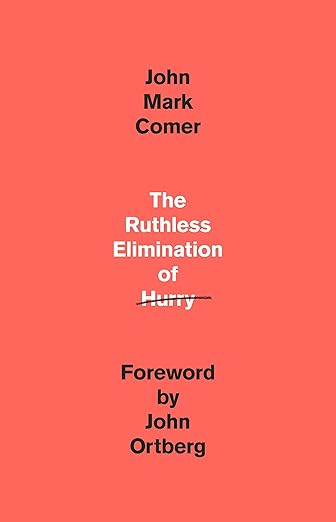
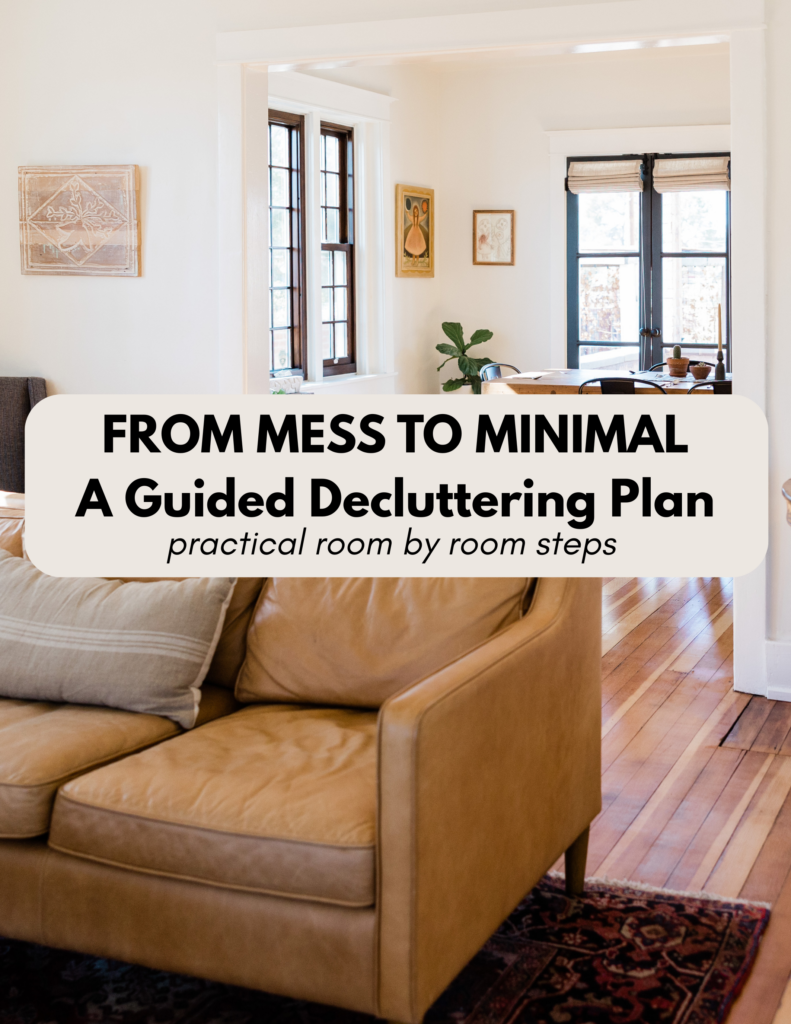
And for extra support, I’ve created a room-by-room decluttering guide to help you simplify your home and find peace in the process.
4. Cook from Scratch
One of the most powerful ways to embrace slow living is through intentional, nourishing meals made from scratch. What once felt like the most overwhelming part of my day slowly became a grounding rhythm—an anchor in the chaos. Cooking from scratch invites us to slow down, connect with the ingredients God provides, and find beauty in the process rather than rushing toward convenience. It’s not just about food—it’s about creating moments of peace, presence, and purpose in your home.

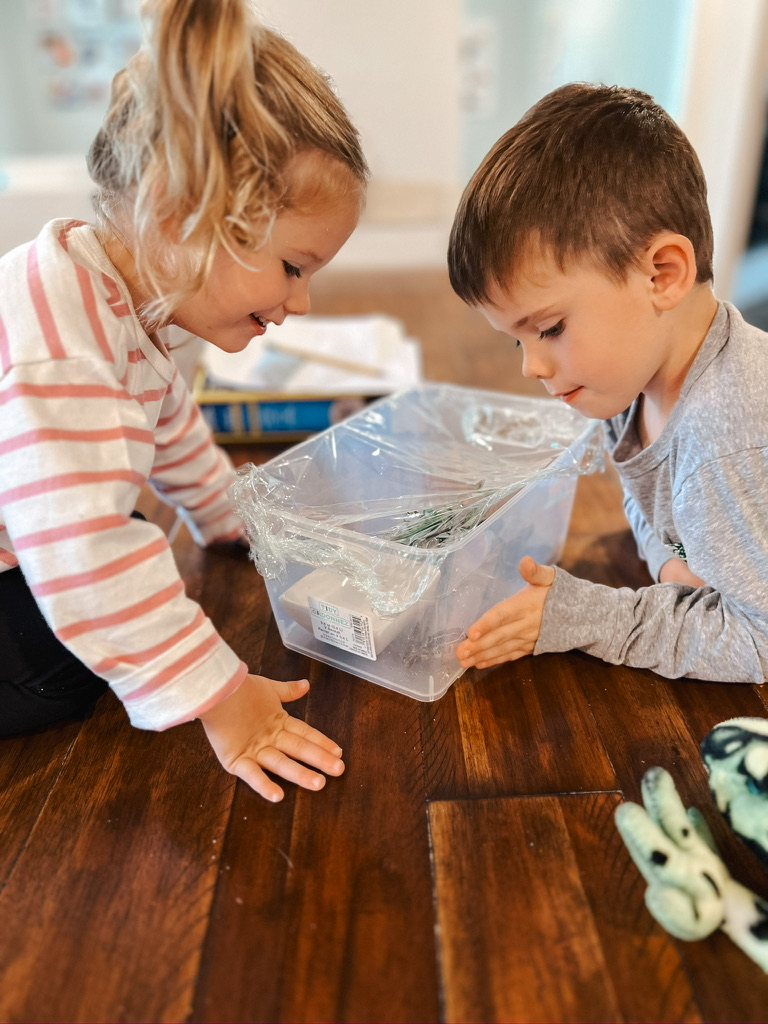
Make it a peaceful solo ritual or involve your kids and turn it into a time of learning, laughter, and togetherness. These everyday moments—chopping vegetables, stirring soup, baking bread—become sacred in their simplicity, offering a small yet meaningful rebellion against the fast pace of the world.
5. Create Tech-Free Time Blocks
Intentionally carve out daily or weekly time blocks that are completely screen-free—like during meals, in the evenings, or on slow Sunday mornings. While I deeply admire families who live fully unplugged, and hope to move more in that direction myself, we still enjoy the occasional movie or show. The key is to use screens with intention, not out of habit. When we reserve them for special moments and prioritize tech-free days, they become a treat rather than a constant distraction.
The more we step away from screens, the more space we create for creativity, meaningful connection, quiet minds, and quality time as a family. It’s in those moments that imaginations flourish, books are opened, and lasting memories are made.
Some Activities to Replace Screens:
FOR CHILDREN & FAMILY TIME
Board Games
Bonfires & S’mores
Direct to Draw
Music: piano or other instruments
Sports outside
Kite Flying
Coloring or Watercolor painting
Nature Journal
Obstacle course
Lego Challenge
Writers Workshop
Dress up
Fancy Picnic
Homemade playdough


FOR YOU AND/OR DATE NIGHT
Fire outside
Goals and Dreams Chat
Games
Puzzle/Crossword Puzzle
Learn a new hobby: photography, sewing, piano, woodcraft, etc.
Side hustle with husband: flipping furniture, wood working, painting, house projects, garden, etc.
Cook a fancy dinner together
Exercise together/Walks when you can
Long Bath
Write letters/cards for friends and family
6. Embrace the Outdoors
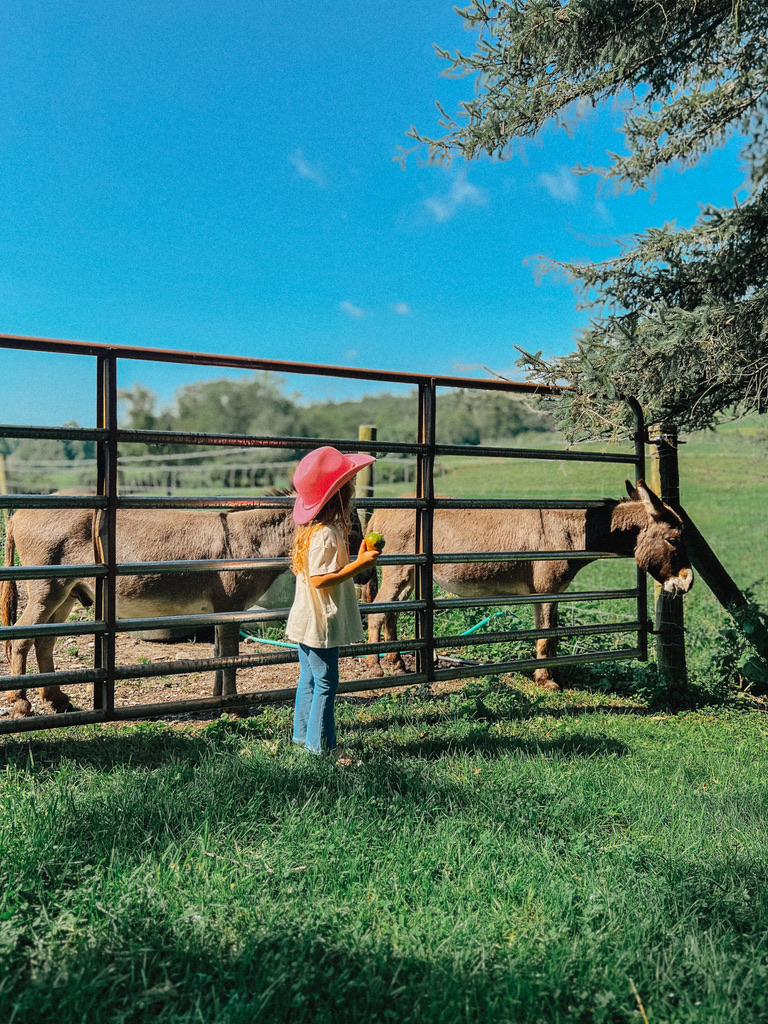
One of the simplest ways to slow down is to step outside. Whether it’s walking barefoot through the grass, sipping your morning coffee on the porch, or watching your kids explore the backyard, being outdoors naturally quiets the mind and invites you into the present moment. The rhythms of creation—birds singing, leaves rustling, the sun rising or setting—remind us that life was never meant to be rushed.
Try starting your day with fresh air, taking regular nature walks, planting a small garden, or having meals outside whenever possible. These slow, grounding moments in God’s creation help us reset, reconnect, and breathe deeply in a hurried world.

7. Build Rhythms, Not Routines
Instead of packing your days with strict schedules, try embracing gentle rhythms—natural flows that bring structure without pressure. Think morning rituals that ease you into the day, cleaning loops that keep your home in order without overwhelm, or a standing family night that everyone can count on.
Rhythms create peace because they allow for flexibility while still honoring your values and priorities. Life feels less like a checklist and more like a cadence—steady, intentional, and grace-filled. When you lean into rhythms over routines, you create space for rest, joy, and the unexpected beauty that comes with slower living.
Here is an example of what that might look like…
Morning Flow:
- Wake early
- Quiet time: Scripture, prayer, journaling, or a warm drink
- Outdoor time: short walk, garden check, or porch sit
- Prep breakfast and morning work
- School hour or two with kids
Midday Flow:
- Nourishing lunch, made slowly and enjoyed together
- Quiet time for all (reading, naps, quiet play)
- Afternoon task block: tidy up, baking, creative projects
- Screen-free play outdoors or indoor imagination time
Evening Flow:
- Early dinner prep
- Unhurried family meal around the table
- Evening wind-down: games, music, outside, or reading aloud
- Gentle cleanup + cozy bedtime rhythm
Weekly Rhythms:
Sunday: Sabbath rest + outdoor picnic or worship + bake sourdough
Monday: reset & school heavy
Tuesday: nature walk + library visit
Wednesday: errand day
Thursday: deep cleaning or organizing
Friday: family movie or game night
8. Prioritize Rest (Not Just Sleep)
Rest isn’t just about getting enough sleep—it’s about restoring your soul. You can get eight hours a night and still feel burnt out if you never give yourself space to truly unwind. Real rest goes beyond physical—it includes stillness, creativity, and connection with God.
Scrolling might feel like a break, but often it leaves us more drained. Instead, lean into rest that renews: spend time in Scripture, take a slow walk, work on a puzzle, learn a gentle hobby like knitting or piano, or simply sit in silence with a cup of tea. These acts might take more intention, but they bring lasting peace.
In the slow living mindset, rest isn’t lazy—it’s essential. It’s not wasted time; it’s the space where clarity, creativity, and joy begin to grow.
9. Practice Gratitude Daily
One of the most powerful ways to embrace slow living is to cultivate a heart of gratitude. When we slow down, we begin to notice the little gifts we often overlook—the warmth of the sun, a child’s giggle, the quiet moments of stillness. But when life feels overwhelming, it’s easy to fall into a spiral of frustration or negativity. That’s why intentional gratitude is essential.
Make it a daily habit to pause and give thanks—keep a simple gratitude journal or say three blessings out loud each morning or night. Shifting your focus to what’s good, even in the smallest things, can completely change the atmosphere of your heart and your home. Gratitude grounds us in the present and opens our eyes to joy that’s already here.
10. Choose Presence Over Perfection
Slow living invites us to release the pressure of hustle and the illusion of perfection. Life is not about having a spotless home or a gourmet dinner every night—it’s about being truly present with the people who matter most.
Your children won’t remember if the laundry was folded, but they will remember if you looked them in the eye and listened. Your spouse won’t care if dinner was fancy, but they’ll cherish the laughter shared over a simple meal. Embrace the beauty of imperfect moments and make room for presence, because that’s where real connection—and real life—happens.
EMBRACE THE JOURNEY NOT PERFECTION
Slow living isn’t about checking off a list perfectly—it’s about making intentional choices that nurture your soul and your relationships. Each step you take toward slowing down, simplifying, and being present is a gift to yourself and those you love. Remember, this journey is not about rushing to a finish line but savoring the small moments along the way. Be gentle with yourself, celebrate your progress, and let grace guide you as you build a life filled with peace, joy, and meaning.
Let me know what you would add to this list!